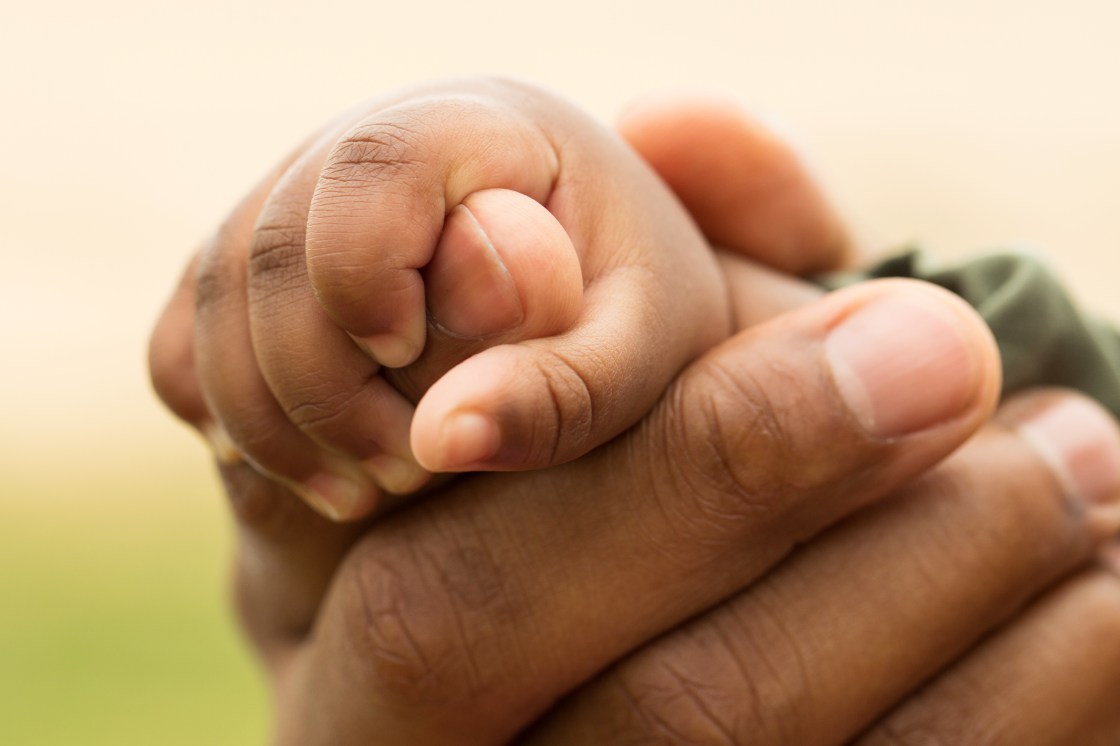
Having a baby was without a doubt the most life-changing event I’ve gone through so far in my life. Admittedly, it was also a time of a lot of consumerism and waste. All the “must haves,” the baby shower, gifts, gift wrapping, late night Amazon purchases (sometimes multiple in a given night). After the birth of our son, many close friends and family members also started getting pregnant with their first child. I put together my own list of “must haves” and proudly sent it around to people. Now, while I do think it is imperative to try to provide support to new parents, I would do things really differently now. I’ve revamped my list with more eco-friendly alternatives, which I plan to follow when we are ready to grow our family. Read on for a few ways to make welcoming a new family member more environmentally friendly.
Glass or Stainless steel bottles
I was surprised at how many bottles I accumulated before I ever purchased any. Baby expos, doctors offices and the hospital all had samples which were no doubt given to them by companies hoping to get in front of new mothers to get their business. We did eventually end up buying a few different types of bottles – all plastic. The benefit is that they are cheap, light and easy to clean. The downside is that there is mounting evidence that chemicals from plastic can leach into foods and liquids it comes in contact with and can cause serious damage. Even the American Academy of Pediatrics is calling for additional research into the impact this is having on kids.
Luckily, there are more and more bottle options available that use minimal or no plastic. Here are a few of my favorites:
Life Factory – This is the first type of glass bottle we bought about a year ago. Super cute and durable with a silicone sleeve, there are multiple sizes and colors available. They also have a sippy cup bottle top when your toddler is ready to transition, but unfortunately it’s plastic.
Pure Kiki – These stainless steel bottles are completely plastic free and come in a variety of sizes, colors and have multiple different tops. Stainless steel is also much lighter than glass and more durable. The downside is that its opaque, and sometimes its really helpful to see how much milk your little one has had without having to open it up.
Mason Bottle – Ok, I admit to being totally basic and obsessed with mason jars. This brand has built a bottle top that is compatible with mason jars, and has a handy silicone sleeve to slip over it. What I love about these is that you don’t have to get rid of the bottles once your child grows up – you can reuse jars for snacks or food storage.
Cloth diapers
I know, I know – don’t freak out! When I was pregnant, I considered cloth diapers for about 2.3 seconds before moving on. I thought they were expensive, gross, and required a diaper service to make sure they were clean. But recently a pregnant friend asked if I’d like to go with her to a cloth diapering class at a local store called Diaper Lap in Cambridge, Massachusetts. It was so helpful and informative, and I feel much more confident in recommending that others explore cloth diapers for their kids. Cloth diapers have come a long way since a single piece of cloth and a safety pin – there are a number of different styles to choose from based on preference and budget.
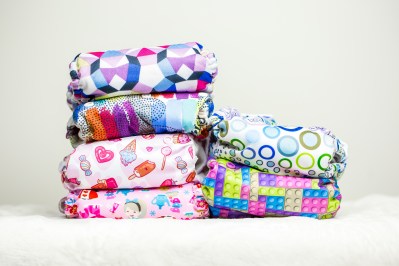 Washing cloth diapers is easier than you think – just rinse off dirty diapers in the toilet (tools like this sprayer and this diaper holder make it easier and more hygienic), then wash them on a quick cycle on cold, then add a small amount of detergent and wash on hot. When you can, line drying will reduce energy usage and associated costs.
There is a lot of conflicting information about disposable vs. cloth diapers out there. The Environmental Protection Agency estimates that over 4 million tons of disposable diapers go into a landfill each year. Even worse, these diapers contain human waste, which can get into ground water and contaminate our water supply. Gross!
The Small Footprint Family has a great breakdown of cloth vs. disposable diapers. My biggest takeaway is that on every package of disposable diapers, they tell people to wash the diapers out before disposing of them. I know I never did this when we used disposables! I checked the label of an old package we had in the house, and sure enough, there it was.

While disposables clearly contribute more to landfill waste, cloth diapers do require resources to manufacture and must be laundered. If families line dry and use cloth diapers for multiple children, or buy them secondhand, the benefits of cloth diapers far outweigh disposables.
If you do decide to go the cloth diaper route, you can also check out reusable wipes. We’ve started using them and while it does take some getting used to, they’re now quite easy. Just wash and launder along with the diapers. To get them damp, you can make a solution mix and just spray before use.
Cloth diapers are definitely intimidating. See if there are any local resources you can consult with, or check out YouTube for cloth diaper tutorials for beginners.
Baby Gear
For something so small, babies sure do require a lot of gear. Strollers, car seats, baby carriers, high chairs, cribs, pack n plays, etc. I am embarrassed to say that we bought all this stuff new, and spent a small fortune. The best bet for most of these items is to look for secondhand options. Sites like ebay, Craigslist, Freecycle, Let Go or your local Buy Nothing Facebook group are all teeming with baby items that people are hoping to offload, sometimes for free. Or ask around to friends and family – most people are more than happy to free up space in their house and see their baby items go to good use. We recently got my son’s toddler car seat from my husband’s former coworker, saving us about $200.
There are a few caveats when shopping secondhand – for items like a car seat or a crib, double check the manufacturer’s website to see if that particular item has been recalled or has expired. We got our son’s crib from family members, but made sure to buy a new (organic, non-toxic) mattress rather than use theirs, which was sitting in their basement for a few years. We repainted the crib using a non-toxic paint and it looks as good as new.
Clothes
At the risk of sounding like a broken record – shop secondhand! I did buy a lot of new maternity clothes, and let me tell you – it’s not a fun way to spend money. Buying something with tons of extra fabric in the front that you can only wear for a few months is not my idea of a good time. Luckily I had a few friends who were pregnant before I was who were happy to let me borrow their clothes. It can be difficult to borrow from other people if you weren’t pregnant during the same time of year (my bathing suits from when I was 9 months pregnant are not going to fit someone in their second trimester!). Sites like Poshmark are great for finding maternity clothes that fit your style and size, at a deep discount. And the clothes are usually in great shape since they were only worn for a short amount of time.
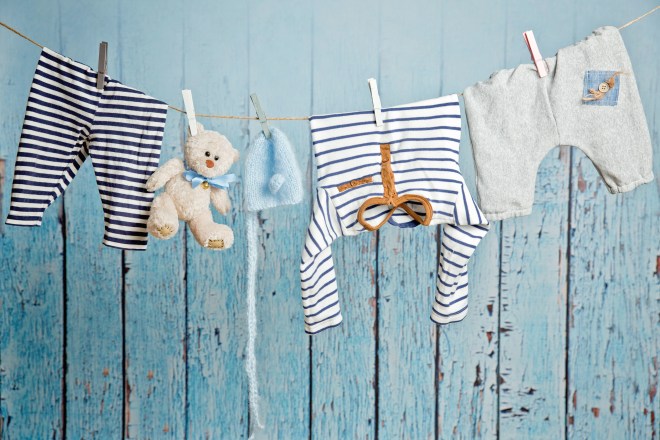 Poshmark has also been great for buying my son’s clothes. Kids clothes can be very expensive, and a lot of current retailers partake in “fast fashion” methods of manufacturing and have unsafe working conditions, don’t pay fair wages and depend on child labor (I’m looking at you, Old Navy). Buying a discounted outfit for my son at a cheap price just doesn’t sit well knowing it was made by other children. I’ve even been able to buy baby boots, snow pants, fall and winter jackets on Poshmark. And because I sell clothes on the app as well, many of these items I was able to purchase with my credit at no cost.
If I did need to purchase something new, I looked for organic clothing. Two of my favorites are Burt’s Bees and Pact. While both companies are committed to sustainability, there is actually a lot of debate about whether organic cotton is better for the environment. On one hand, organically grown cotton doesn’t contain pesticides which can contaminate our food and water. On the other, most of the world’s organic cotton is grown outside the US and there is a lot of transport needed to ship that to the US. Organic cotton also requires more water. To make it even more confusing, companies might be using non-organic dyes on their clothing, and there is no real way to know if that’s the case. For a great overview on this issue, check out the Eco Chic podcast.
Long story short – buy secondhand, or buy items that are well made and last a long time. Look for retailers with high environmental standards (using green energy, fair trade practices, non-toxic dyes, etc.) and launder clothes on cold and air dry when you can. And better yet, swap clothes with friends and family.
Toys
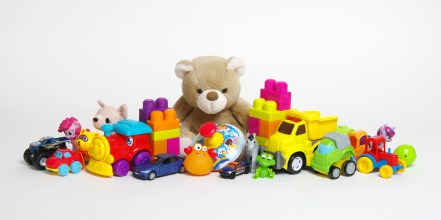 Looking at all the kids toys out there can give me a headache – SO much plastic! And kids might play for a toy for only a few minutes before moving on, yet that plastic will last beyond their lifetime. So you know what I’m going to say, right? Shop secondhand! My son’s favorite toy is a Brio train set – half saved from my brother and half purchased from ebay. My mom also had the foresight to save our wooden blocks, duplos and matchbox cars from growing up that he loves playing with.
There are also some cool companies out there making sustainable toys for kids. My favorite is Green Toys; all of their toys are made in the US and are made from recycled milk jugs. We have a set of their stacking cups for bathtime; it’s made with no BPA, printed with soy inks and even comes in sustainable packaging. When purchasing anything new, look for minimal plastic, minimal packaging and something that is durable and will last awhile.
And one other idea for toys – don’t buy them! For years we’ve been asking family and friends to not buy Christmas or birthday gifts for my son. He already has enough toys, and frankly we don’t have the room for them in our small city condo! I also want to instill in him from a young age that you don’t need a lot of “stuff” in your life. By reducing the amount of toys your kids have, they’ll better appreciate what they do have. That doesn’t have to mean being stingy – look for experiences to share with them such as museums, farms or sporting events. Or invest in art supplies so they can be creative and learn to create their own entertainment.
Plates, Cups, Utensils
When my son first started transitioning to solid food, everything it touched was plastic. Plastic bowls, spoons, cups, etc. Now we’ve upgraded our arsenal and there is no plastic in sight. Here are a few of our favorites:
- WeeSprout silicone plates
- Klean Kanteen stainless steel water bottle
- ToGoWare bamboo utensils
- Avanchy Bamboo bowl and spoon set
- Mira Stainless steel food containers
- Housavvvy Stainless Steel cup & straw
- Brinware glass & silicone bowls with suction
We’ve been happy with the items listed above, and truthfully use almost all of them every day at home, out and about or we send them to daycare. We didn’t buy these all at once, and you probably could make do with less. This is by no means an exhaustive list, there are many more companies who are exploring more alternative materials such as stainless steel, glass and silicone for kids items.
Toiletries
This is a tough one and truthfully is still a work in progress. I recently went through my son’s top drawer and found so many different products that we have tried over the past two years. My son struggled with eczema, and we desperately tried any body wash or lotion we could get our hands on. Most of these were packaged in plastic, and none of them worked very well. To really get to the bottom of the problem, we worked closely with our doctors, have prescription creams that we use sparingly and switched him to a vegan diet. He still has dry skin and gets eczema from time to time, but we are basically in “maintenance mode.” At the moment during this dry New England winter, I’m using Earth Mama’s organic lotion. I like that it’s organic, but I don’t like that it’s packaged in plastic. I also will slather on olive oil or coconut oil after the bath, which helps to keep his skin hydrated and lock in moisture – plus its very inexpensive to buy in large quantities and it’s usually packaged in glass.
I recently found the brand Balm! Baby, and am so excited. It is all natural products in plastic free packaging. I’ve been happy with their diaper lotion, which is compatible with cloth diapers (some creams or pastes can ruin the fabric). I’m also looking forward to checking out their body butter, and maybe a few items for myself from their parent company Taylor’s Naturals.
Miscellaneous
I have by no means scratched the surface of all the different items that you might need for your newborn. But here are a few other ideas for how to be more environmentally minded and reduce waste:
- Host a “green” baby shower – tell everyone to bring their item unwrapped and then have a pretty place to display them (this also saves them from having to ooh and aah for an hour while you open them)
- Check out a rubber pacifier instead of plastic
- Rent a breast pump instead of buying one
- Use a regular bag or backpack instead of buying a “diaper bag” – many of these are very bulky with ugly patterns anyway!
- Use reusable nursing pads instead of disposable
- Wear Thinx underwear for postpartum bleeding instead of use disposable sanitary pads
Just for Fun
No new mom or dad should have to go through life without these amazing podcasts to keep you sane:
- The longest shortest time – for when parenting makes you wanna cry
- Nursing and cursing – for when parenting makes you wanna drop an f bomb
For any parents out there – you have the hardest job in the world and you are doing an amazing job! And if you have to buy something new, don’t sweat it. Just be mindful of your purchases, and don’t visit Amazon.com during a bleary eyed 2am feed!
Good luck, and let me know if you have any questions or suggestions for other ways to be a sustainable parent.
 eco chick

Appreciate your interest in sharing this knowledge with the world. All mom’s to be should read this article and follow as many as possible to give your newborns an environment-friendly welcome…
LikeLiked by 1 person