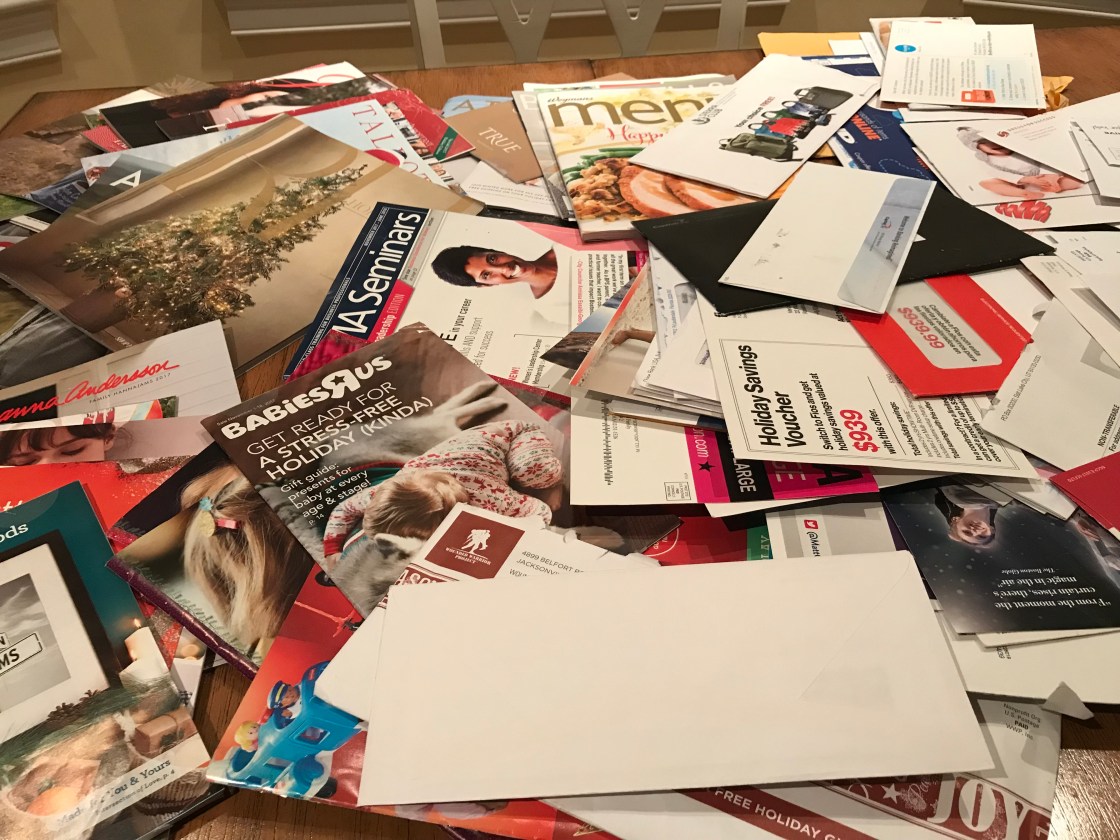
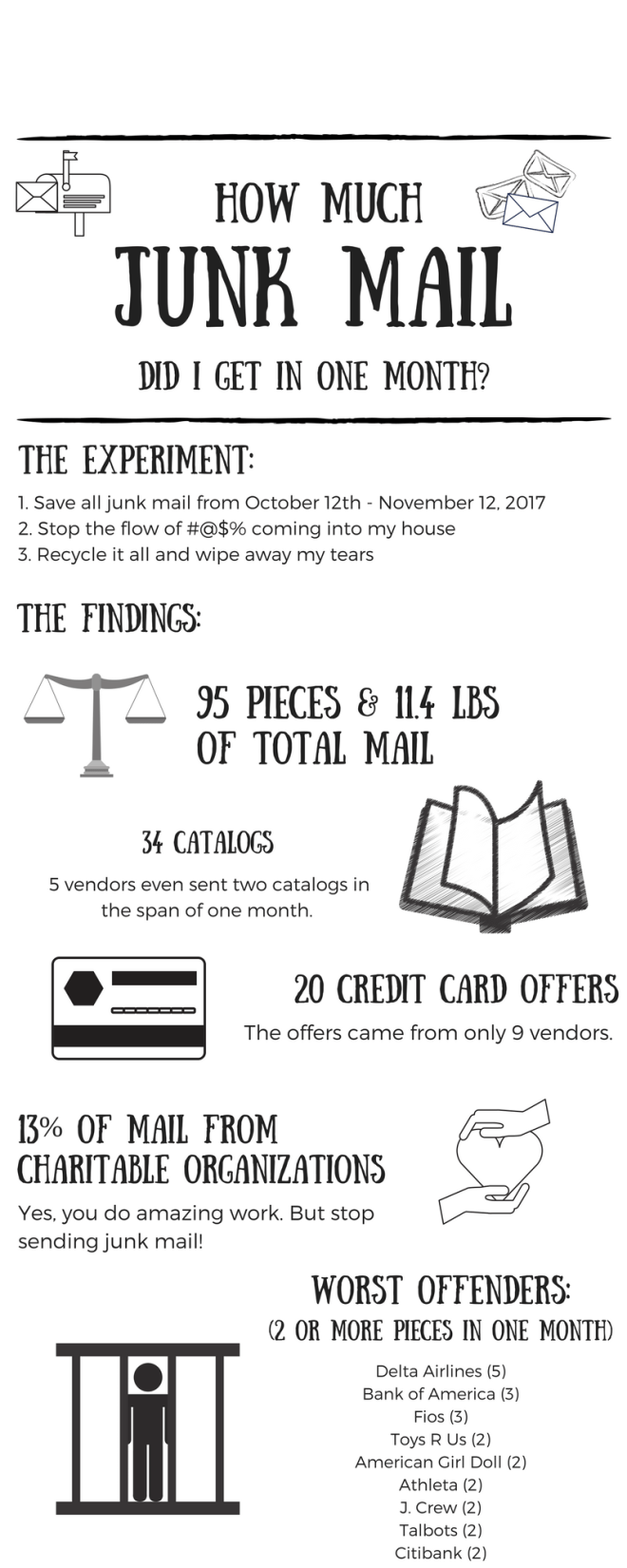
When I began paying attention to my impact on the environment, I made a conscious effort to look at the decisions I was making and how they generated waste. But what about the waste I generate that was out of my control? What about all the junk mail that we toss every day? I decided to conduct an experiment. For one month, I decided to save every piece of junk mail that my husband and I received. Here is what we found:
Let’s take a step back – what is junk mail?
Junk mail is also referred to as direct mail, and it is promotional and unsolicited mail that arrives in your mailbox. The Center for Development of Recycling at San Jose State University estimated in 2008 that the average adult receives 40 lbs of junk mail per year. After saving my junk mail for a whole month, that number seems way off. My husband and I are on pace to receive over 135 lbs of direct mail for the year. Even if we calculate it per person, that’s roughly 68.4 lbs per year – much more than the estimated 40 lbs. (One caveat – the time of year we conducted this experiment was getting close to the holidays so there may have been a slight uptick in the solicitations we received, especially when it comes to catalogs.)
I had trouble finding recent information regarding junk mail; most of the available statistics are from 2008 or earlier. My hunch is that we’ve been so swept up with email that we’ve largely overlooked physical mail. But there is big business in direct mail, the Direct Marketing Association estimates that direct mail generates 10% more customers than email, and has a response rate of 4.4% vs. 0.12%. Now, as a marketing professional, I can understand the desire to use channels that have higher response rates. But I can’t understand the sloppy work that I’ve witnessed. Here were some of the worst examples:
- Fios sent us 3 mailers with offers to switch to their cable service (we already switched to Fios a few months ago)
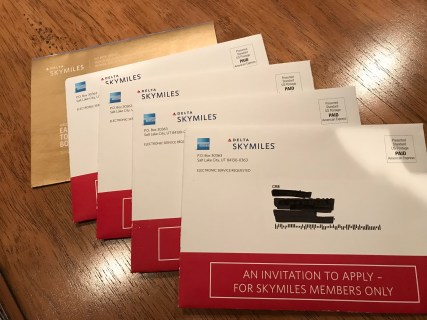
- Delta Airlines sent my husband 5 mailers, and 4 of them were completely identical.
- American Girl Doll sent me two catalogs – I stopped playing with my Samantha doll about 25 years ago
- Athleta sent me two catalogs even though I have never shopped there, nor do I plan to due to their production standards (read more about clothing production here)
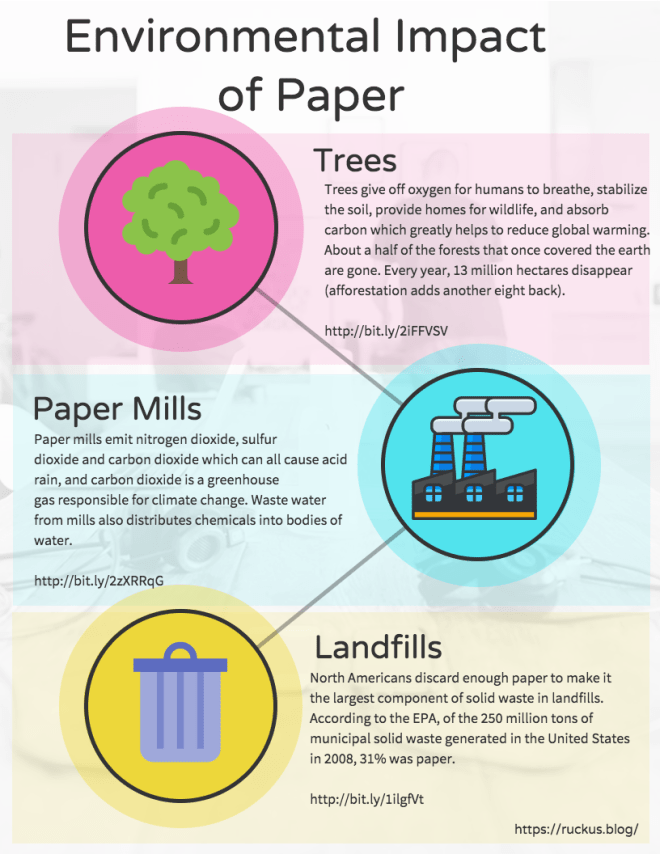
So what gives? Why are most companies bombarding people with physical mail, but not bothering to review their data? As I was looking into this, I was struck by the number of websites and articles dedicated to defending direct mail (usually from companies who have skin in the game). They argue that paper is made from recycled materials or wood chips, that much of the paper is recycled and that trees are replanted.
Let’s break this down:
- Only 39% of direct mail is the US is recycled. And of those that are thrown into recycling, many cannot be recycled due to materials and inks used in the printing process.
- An average of 44% of paper mail is discarded unopened
- The United States is 5% of the worlds population, but consumes 30% of the worlds paper
- Roughly $320 million of taxpayer dollars are spent every year to dispose of junk mail
So what can we do to break the cycle? I got most of my information on how to stop junk mail from Eco-Cycle. I followed their advice, and encourage you to do the same! Here are the main categories of junk mail and how to tackle each one:
- Catalogs – I took two different approaches here. First, I set up an account with DMA to take my name of the central lists that get sold to marketers. After setting up an account, you just pay $2, and you can select “stop all mailings” for catalogs and magazine offers. You should stop receiving offers in 90 days. For some of the catalogs I know I receive often, I also called them and had them remove my name from their mailing list directly. In a few cases, I was on hold for too long so I decided to send the companies (Athleta and Talbots) a message on Twitter and they responded promptly and said I would be removed.
- Credit Cards – This one was super easy! Just call 1-888-567-8688 or visit their website, provide your information and you will stop receiving credit card offers for 5 years.
- Charities – I drafted a letter and mailed it to the different charities reading “I greatly respect and applaud the work that your organization does. At this time, I have chosen to reduce the mail that I receive to lower my environmental impact. Please kindly remove me from your mailing list.” Many of these letters from charities had pre-addressed envelopes included for you to send your donation, so I used those envelopes to enclose my letter. One other thought – several of the charitable organizations that reached out to me included items such as return address labels, decorative envelopes and 2018 calendars. Even if I am not going to donate again to these organizations, I can still use these items! So before throwing these in the recycling, open it up and see if there are items of use in there so its not a complete waste.
Now, don’t get me wrong – direct mail can still have a place in society. It is an effective way to communicate with people, and it can help keep the USPS in business. However, we’ve got to do it better. Printing millions of brochures and letters and sending it to people knowing that more than half the people will throw it out without even opening it is so wasteful and not very smart. Here is my guidance for how to be smarter about direct mail:
- Use responsibly sourced/recycled materials.
- Be conservative in for format – could you send a postcard instead of a letter? A 2 page brochure instead of 4?
- Have a clear call to action to recycle – some of the mailers had this but they were in about size 4 font.
- Keep mailing lists up to date – filter out current customers, people who don’t respond and remove duplicates.
- Make it easy for people to remove their name from your list. One company I called, Wine Country Gift Baskets, had a clever method for easily removing names from their list. Next to my address there was a “customer number” printed, when I called up and got to the phone directory, there was a option to remove your name from a mailing list. I just had to enter my customer number and voila!
So the moral of the story is – even though you may not be asking for these mailings, it is within your control to stop them. Yes, its going to take more time than just chucking them in the recycling bin, but one person investing a few minutes could help prevent hundreds of pounds of paper waste over a few years.
 eco chick
Great information. I’ve added them all to my ToDo list! Thanks, Melissa. — Janice
LikeLike